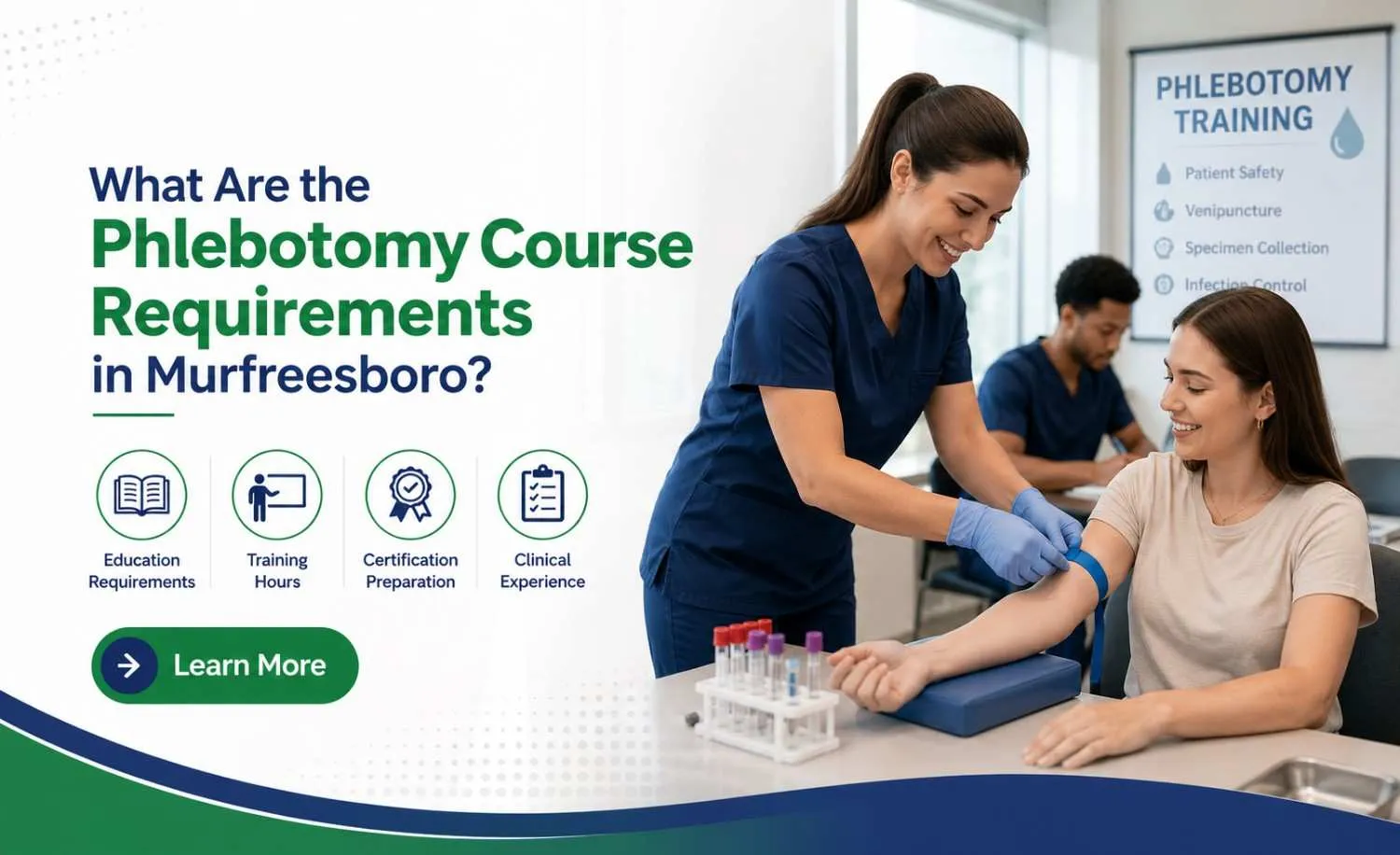
Key Takeaways
• Most phlebotomy programs require a high school diploma or GED. • Students must usually be at least 18 years old to enroll. • Some schools may require background checks, immunization records, or CPR certification. • Hands-on lab training and clinical externship hours are part of many programs. • Phlebotomy training can help students enter the healthcare field quickly with practical skills. If you’re interested in working in healthcare but don’t want to spend years in medical school, phlebotomy can be a great place to start. Many students choose this career because the training is shorter, the skills are practical, and the healthcare industry continues to grow. But before enrolling, one big question comes up:
“What are the phlebotomy course requirements in Murfreesboro?”
The good news is that most phlebotomy programs are beginner-friendly and designed for students starting fresh in healthcare. Whether you have recently graduated from high school, need a career change, or are looking for an entry-level healthcare career, understanding the enrollment process can help you feel more assured before applying.
What This Blog Covers
• What Is a Phlebotomy Course? • Basic Phlebotomy Training Requirements • High School Diploma or GED Requirements • Background Check Requirements • CPR Certification Requirements • What Do Students Learn During the Course? • Clinical Externship Hours • How Long Does a Phlebotomy Course Take? • TNPTI Phlebotomy Training in Murfreesboro • Phlebotomy Certification Requirements • Why Students Choose Phlebotomy as a Career • Is Phlebotomy a Good Career Choice? • How to Enroll in a Phlebotomy Course in Murfreesboro The common requirements for joining a phlebotomy course in Murfreesboro usually include being at least 18 years old, having a high school diploma or GED, and meeting eligibility standards for basic healthcare training. Some programs may also require a background check, immunization records, CPR certification, or completion of enrollment documents before starting clinical training.
What Is a Phlebotomy Course?
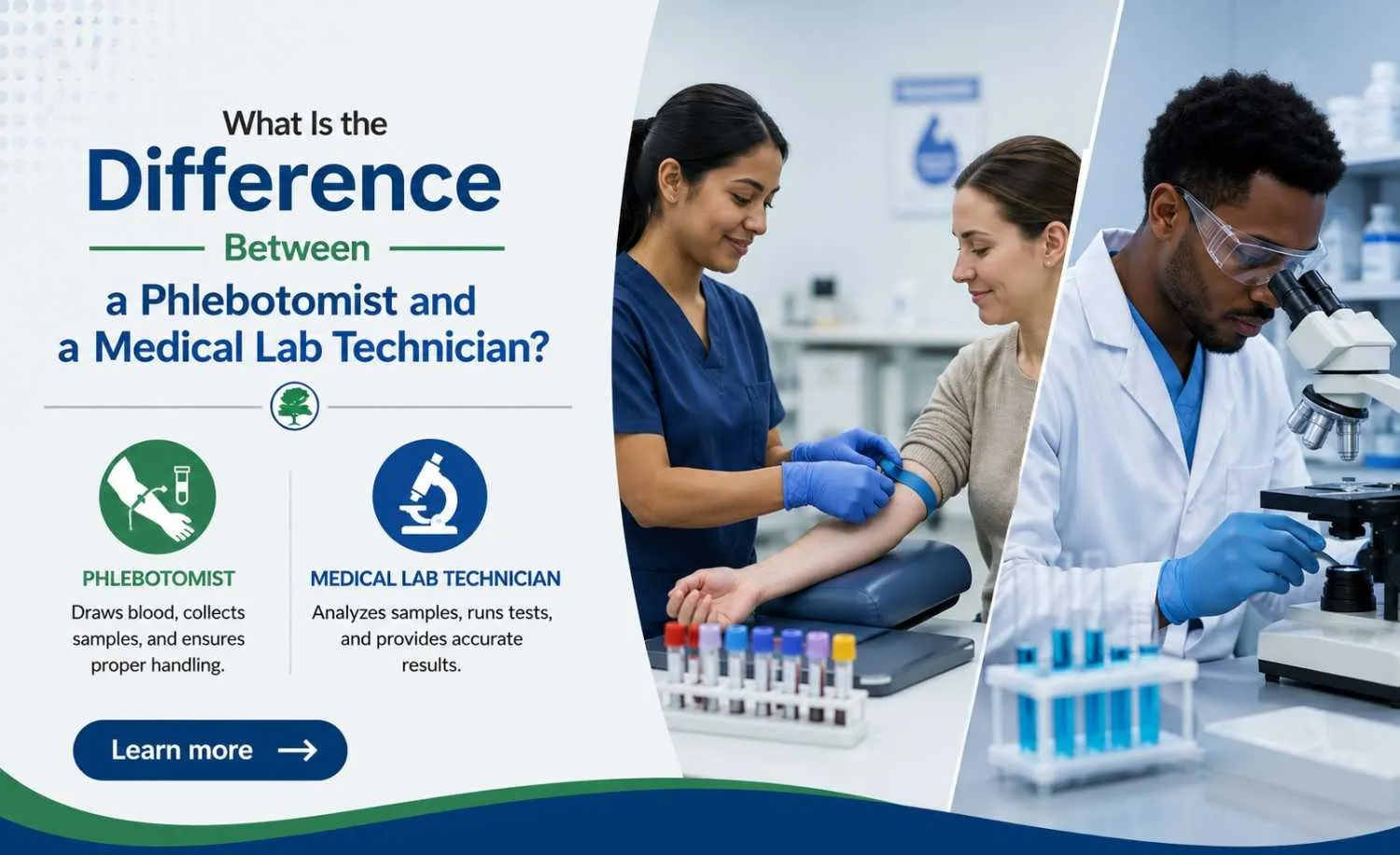
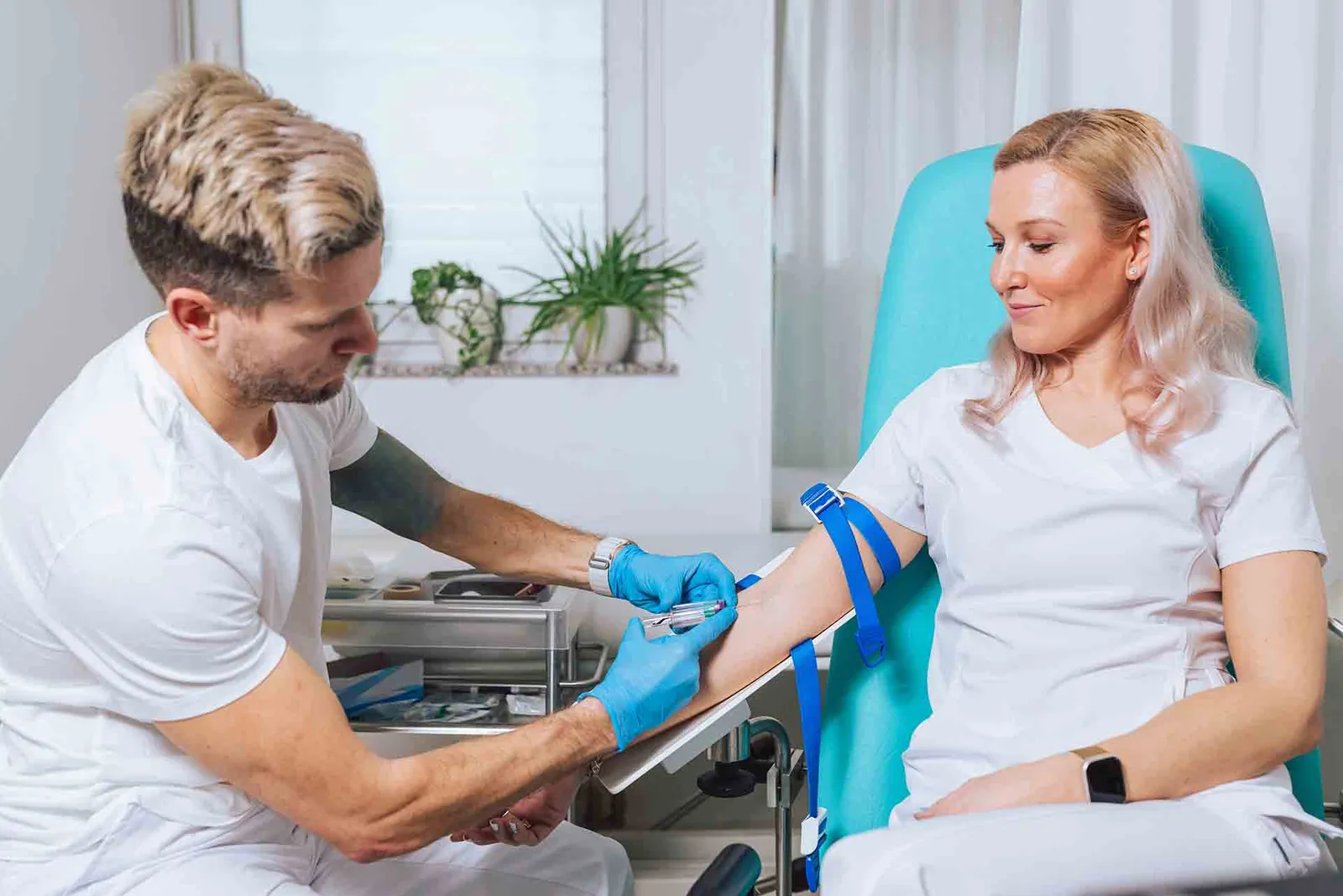
A phlebotomy course trains students to safely collect blood samples from patients for medical testing, transfusions, or laboratory analysis. Phlebotomists work in: • Hospitals • Clinics • Diagnostic laboratories • Blood donation centers • Physician offices The course focuses on both technical skills and patient interaction because phlebotomists work directly with people every day. For many students, it is one of the fastest ways to begin working in the medical field.
Basic Phlebotomy Training Requirements
Most schools offering phlebotomy training requirements in Tennessee ask students to meet a few standard eligibility conditions before enrollment. Common requirements include: • Minimum age requirement (usually 18 years old) • High school diploma or GED • Valid identification • Completed application form • Basic English communication skills Many programs are designed for beginners, so previous healthcare experience is often not required.
High School Diploma or GED Requirements
One of the most common phlebotomy program prerequisites is having a high school diploma or GED . Schools ask for this because: • Students need basic reading and communication skills • Medical terminology requires an understanding of healthcare instructions • Clinical training involves patient safety procedures If you have completed high school or earned a GED, you already meet one of the biggest admission requirements.
Background Check Requirements
Some training programs may ask students to complete a background screening before beginning clinical practice. These background check requirements help healthcare facilities maintain patient safety and follow medical workplace regulations. Depending on the school or externship location, students may also need: • Drug screening • Immunization records • Tuberculosis (TB) testing Requirements can vary between programs, so it’s always important to check with the school before enrolling.
CPR Certification Requirements
Not every program requires CPR certification before enrollment, but some schools recommend or request it before clinical training begins. Having CPR knowledge can be beneficial because: • It prepares students for healthcare emergencies • It improves patient safety awareness • It strengthens healthcare readiness Some schools even include CPR training within the course itself.
What Do Students Learn During the Course?
Most phlebotomy courses combine classroom instruction with practical training. Students usually learn: • Blood collection techniques • Vein identification • Infection control procedures • Medical terminology • Patient communication • Safety and healthcare compliance standards • Specimen handling and labeling Many programs also include hands-on lab training so students can practice real-world procedures before working with patients.
Clinical Externship Hours
One important part of many programs is the clinical training experience. Students often complete supervised clinical externship hours in real healthcare settings where they: • Practice blood draws • Interact with patients • Learn professional healthcare workflow • Gain confidence before employment This practical experience is one of the biggest advantages of phlebotomy education because employers often value hands-on experience.
How Long Does a Phlebotomy Course Take?
One reason students choose phlebotomy is because the training timeline is shorter than many other healthcare careers. Most programs can be completed within: • A few weeks to several months • Depending on full-time or part-time schedules Some schools offer: • Evening classes • Weekend schedules • Flexible learning options for working students This shorter timeline makes phlebotomy a popular choice for people who want faster entry into healthcare careers.
TNPTI Phlebotomy Training in Murfreesboro
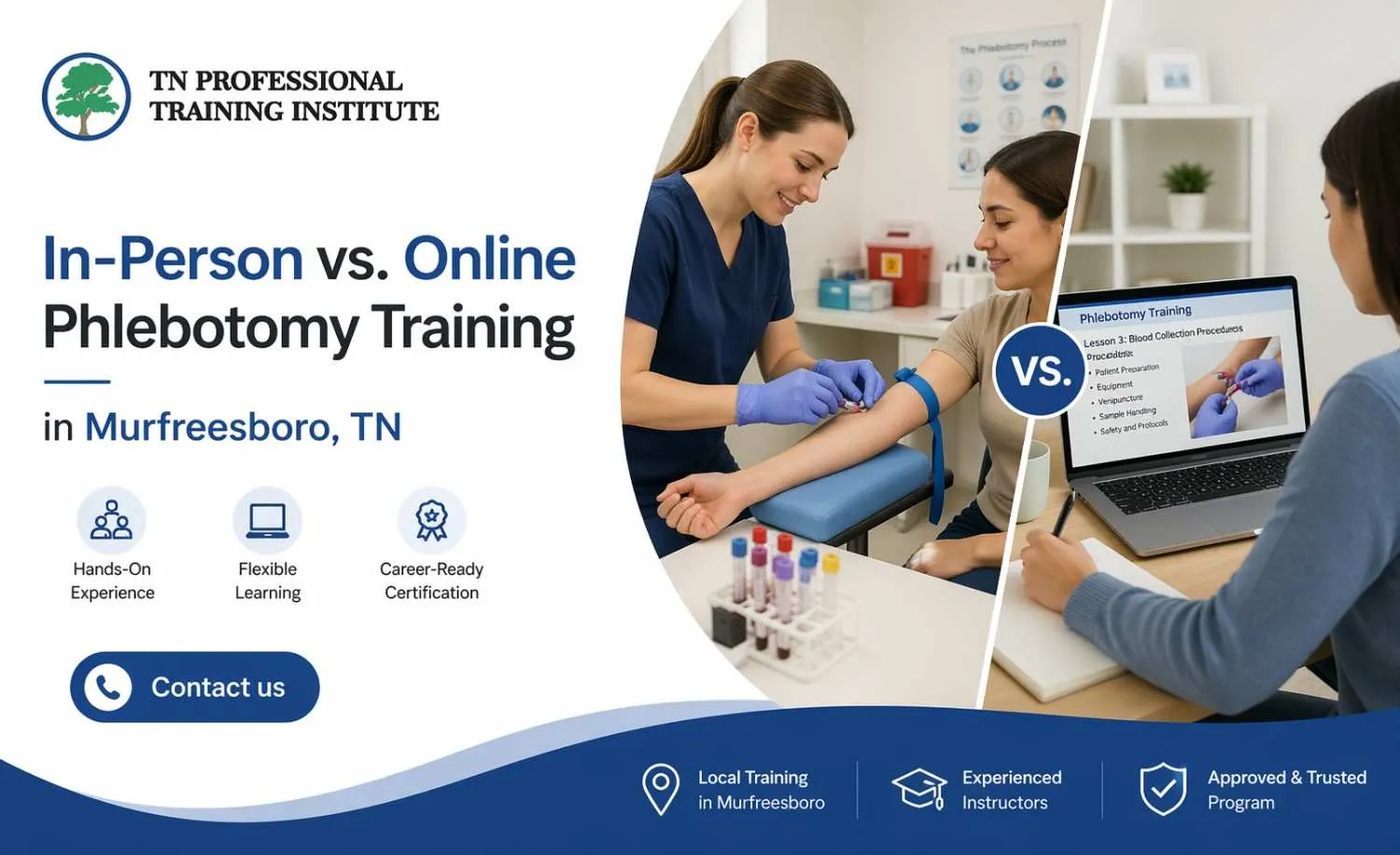
For students looking to enter healthcare quickly, the TN Professional Training Institute (TNPTI) offers phlebotomy training to help them gain practical skills in a short time.
Program Requirements
Students typically need: • A high school diploma or GED • Valid identification • Completed enrollment paperwork • Compliance with any clinical training requirements
Flexible Schedule Options
TNPTI offers multiple scheduling options to accommodate different lifestyles and work commitments, making it easier for students to pursue healthcare training while balancing other responsibilities.
Accelerated 1-Week Program
One of the biggest advantages of TNPTI's phlebotomy training is its accelerated 1-week program option , allowing motivated students to complete their training quickly and begin pursuing healthcare opportunities sooner than traditional programs.
Tuition and Enrollment
TNPTI provides affordable healthcare career training with transparent tuition information and enrollment support. Students should contact the school directly for the most current pricing, start dates, and available schedule options. Whether you're a recent high school graduate, changing careers, or looking for a fast path into healthcare, TNPTI's phlebotomy training program offers a practical way to build job-ready skills in a short amount of time.
Phlebotomy Certification Requirements
After training, many students choose to pursue certification. Common phlebotomy certification requirements may include: • Completing an approved training program • Finishing clinical practice hours • Passing a certification exam Certification can improve: • Job opportunities • Employer confidence • Salary potential • Career growth options While certification rules may vary, many employers prefer certified candidates.
Why Students Choose Phlebotomy as a Career
Many young adults choose phlebotomy because it offers a strong starting point in healthcare without requiring years of expensive education. Some major benefits include: • Faster career entry • Practical medical skills • Growing healthcare demand • Flexible work environments • Opportunities for future healthcare advancement It is especially attractive for students exploring entry-level healthcare education while planning long-term medical careers.
Is Phlebotomy a Good Career Choice?
For many students, yes. Phlebotomy can be a good fit if you: • Enjoy helping people • Want hands-on medical experience • Prefer shorter training programs • Are interested in healthcare careers • Want quicker job opportunities Many students also use phlebotomy experience as a stepping stone toward: • Nursing • Medical assisting • Laboratory technology • Other healthcare professions
How to Enroll in a Phlebotomy Course in Murfreesboro
The enrollment process is usually simple. Most schools will ask students to: • Submit an application • Provide educational documents • Complete admission paperwork • Meet health or background requirements • Pay registration or tuition fees Before applying, students should always review the school’s official phlebotomy school requirements and admission deadlines.
FAQs
Q. What do you need to enroll in phlebotomy training?
A. Most programs require a high school diploma or GED, valid ID, minimum age requirement, and completed enrollment paperwork.
Q. What are the common phlebotomy certification prerequisites?
A. Certification usually requires completing a training program, clinical practice hours, and passing a certification exam.
Q. Do phlebotomy programs require healthcare experience?
A. No. Most phlebotomy courses are designed for beginners entering healthcare for the first time.
Q. How long does a phlebotomy course usually take?
A. Many programs can be completed within a few weeks to several months depending on the schedule.
Q. Is phlebotomy a good healthcare career for students?
A. Yes. It offers faster entry into healthcare, hands-on experience, and opportunities for future career growth. If you're searching for a phlebotomy course in Murfreesboro , the TN Professional Training Institute (TNPTI) offers hands-on phlebotomy training designed for students who want to enter the healthcare field quickly. With flexible scheduling, practical lab experience, and an accelerated 1-week training option, TNPTI helps students gain the skills needed to pursue entry-level healthcare opportunities. Ready to begin your healthcare journey? Explore phlebotomy training programs in Murfreesboro and learn how you can start building practical medical skills for a rewarding future career.
Conclusion
Starting a healthcare career can feel exciting and overwhelming at the same time, especially when you’re trying to understand admission requirements and training expectations. The good news is that phlebotomy programs are often designed for beginners who are motivated to enter the medical field quickly. From meeting basic eligibility requirements to completing hands-on clinical training, phlebotomy education helps students build practical healthcare skills in a relatively short amount of time. For young students looking toward a stable and rewarding future in healthcare, enrolling in a phlebotomy course can be a smart first step toward long-term career growth. Contact Us
Ready to start your healthcare career?
Talk with TNPTI admissions in Murfreesboro or book a campus tour.
Book a campus tour